Traditional Resume Templates
Conservative, professional layouts for finance, law, and corporate fields where structure, familiarity, and a polished tone matter most.
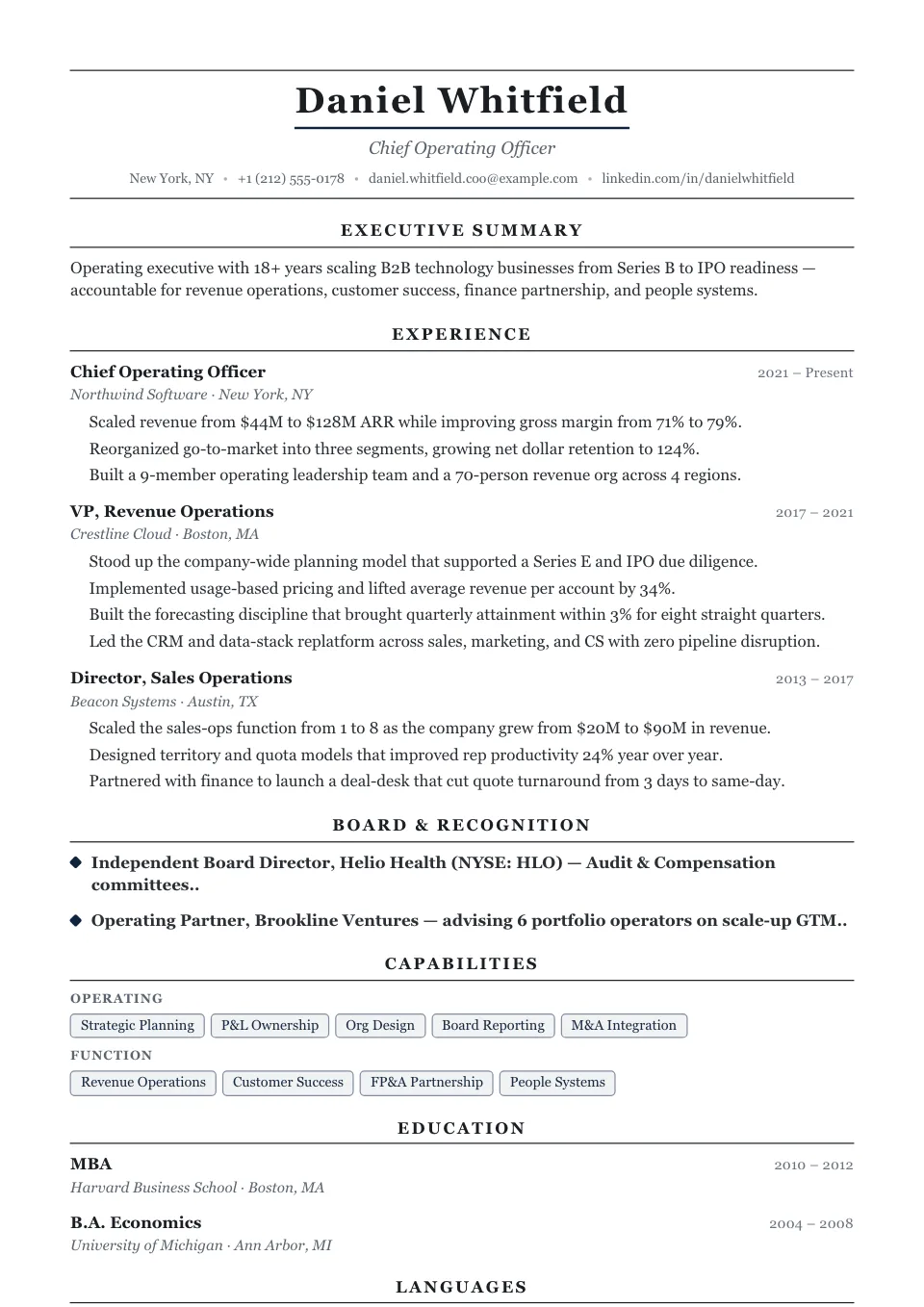
Ivy League
Centered, serif-led and quietly prestigious, with a ruled name and centered headings — consulting, academia, law and the C-suite.
Consulting, academia, law, and executive roles
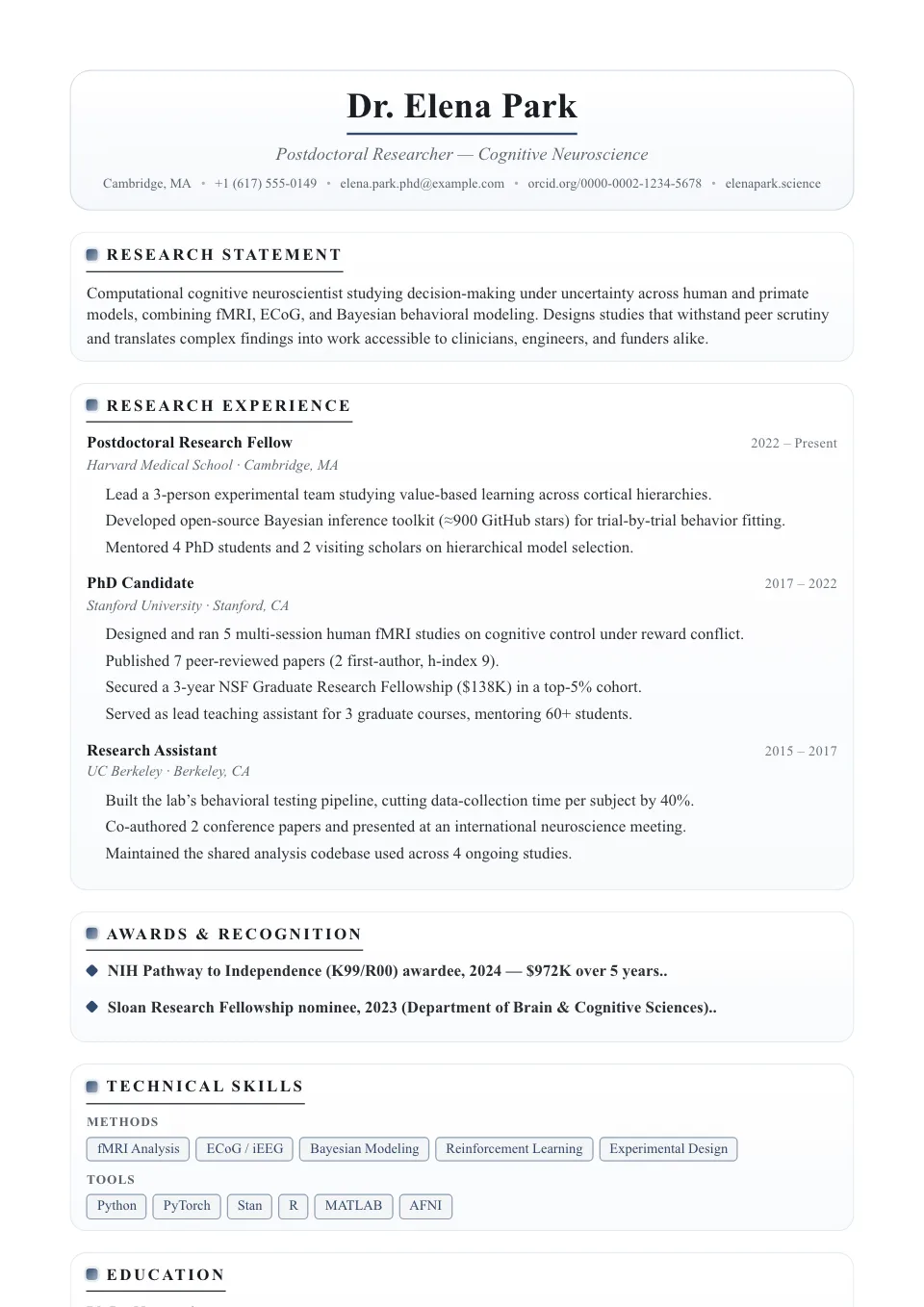
Ivy League Editorial
Classic serif with numbered 01·02 section headings and editorial double-rule dividers — a stronger sense of hierarchy.
Executives who want a conservative layout with a richer editorial finish
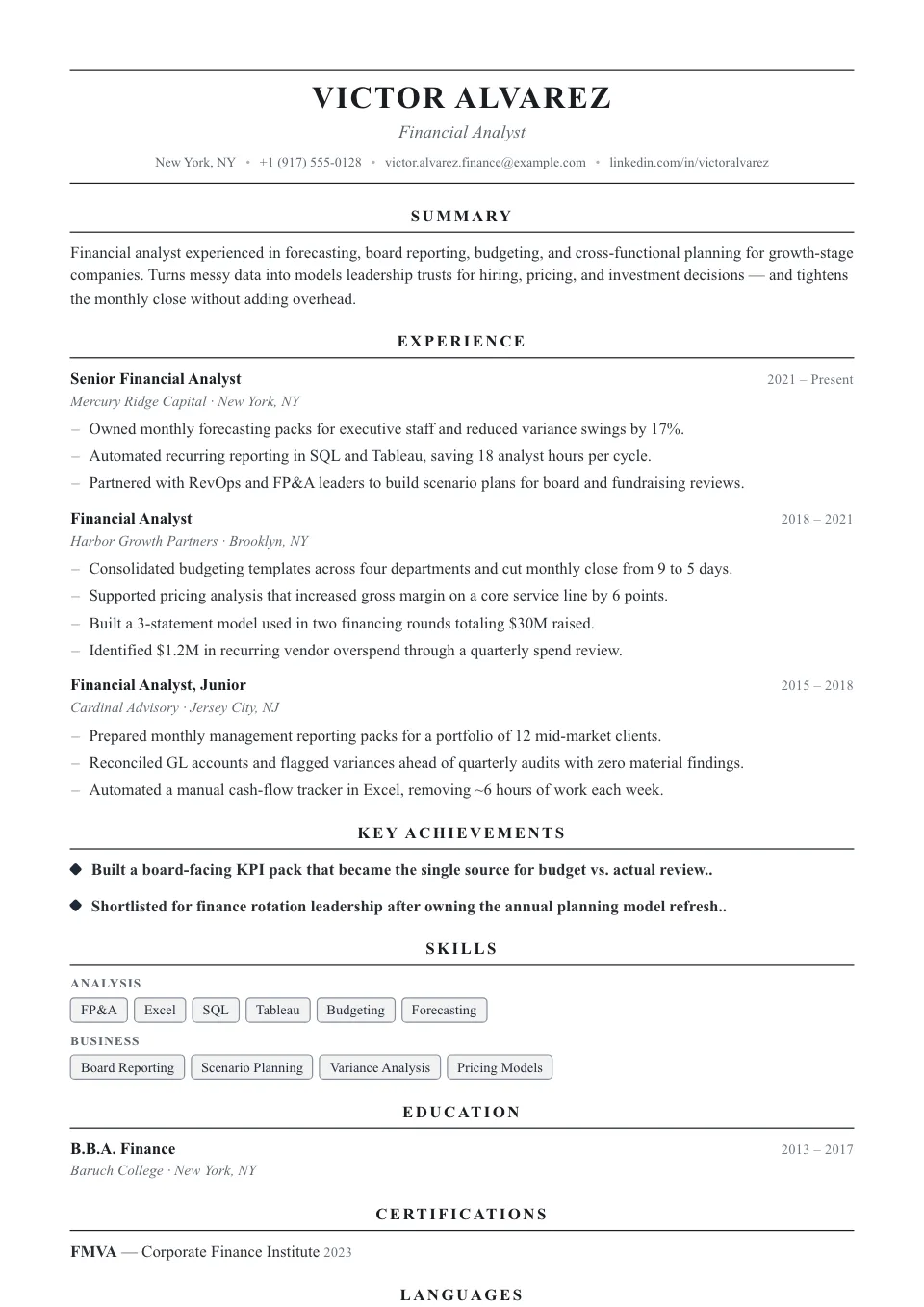
Classic
Traditional document rhythm with an uppercase name and conservative serif type — corporate, finance and senior professional roles.
Corporate, finance, and senior professional roles
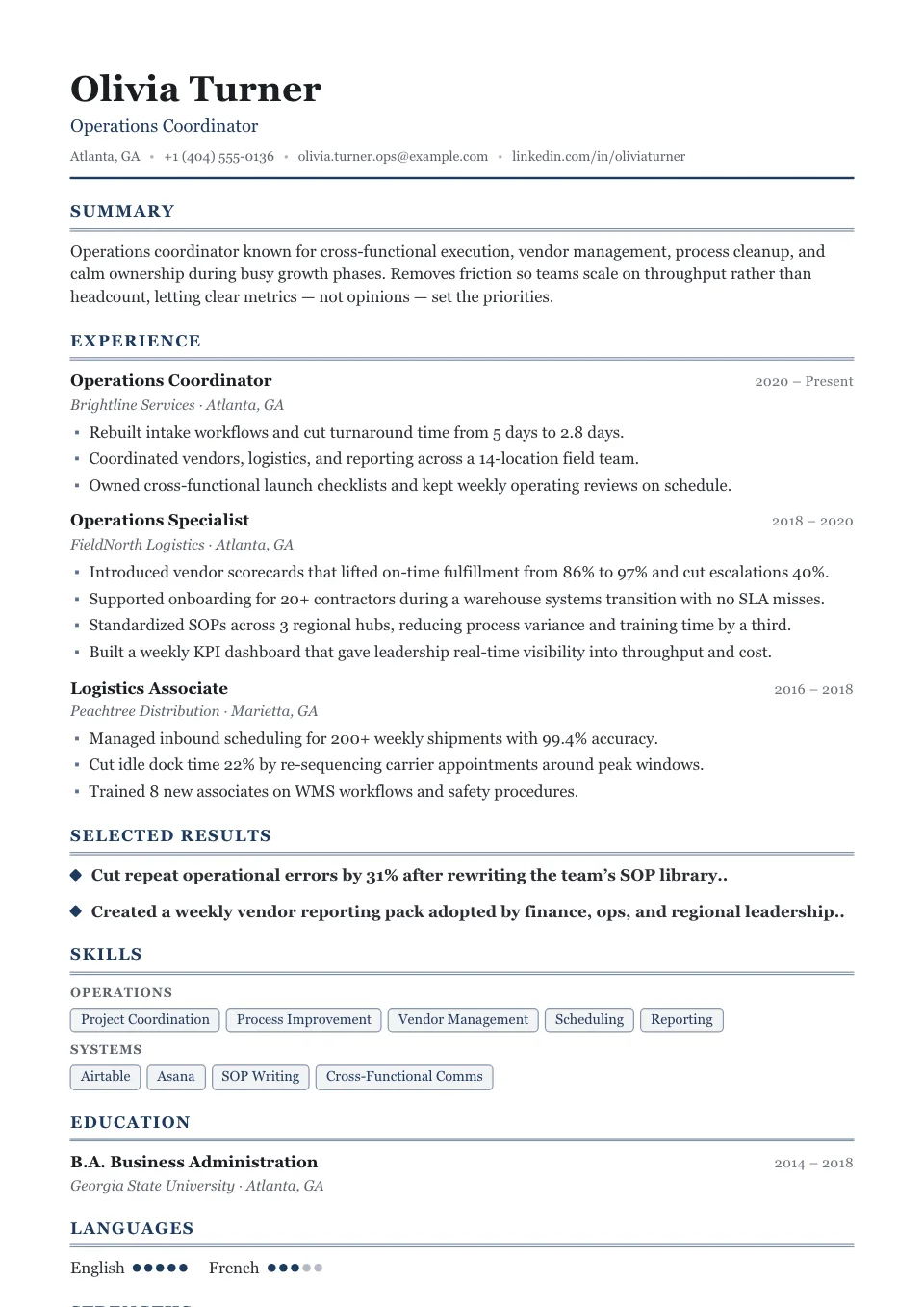
Corporate
A buttoned-up serif single column with double-rule dividers and square bullets — the conservative choice for banking, insurance and law.
Banking, insurance, and conservative corporate roles
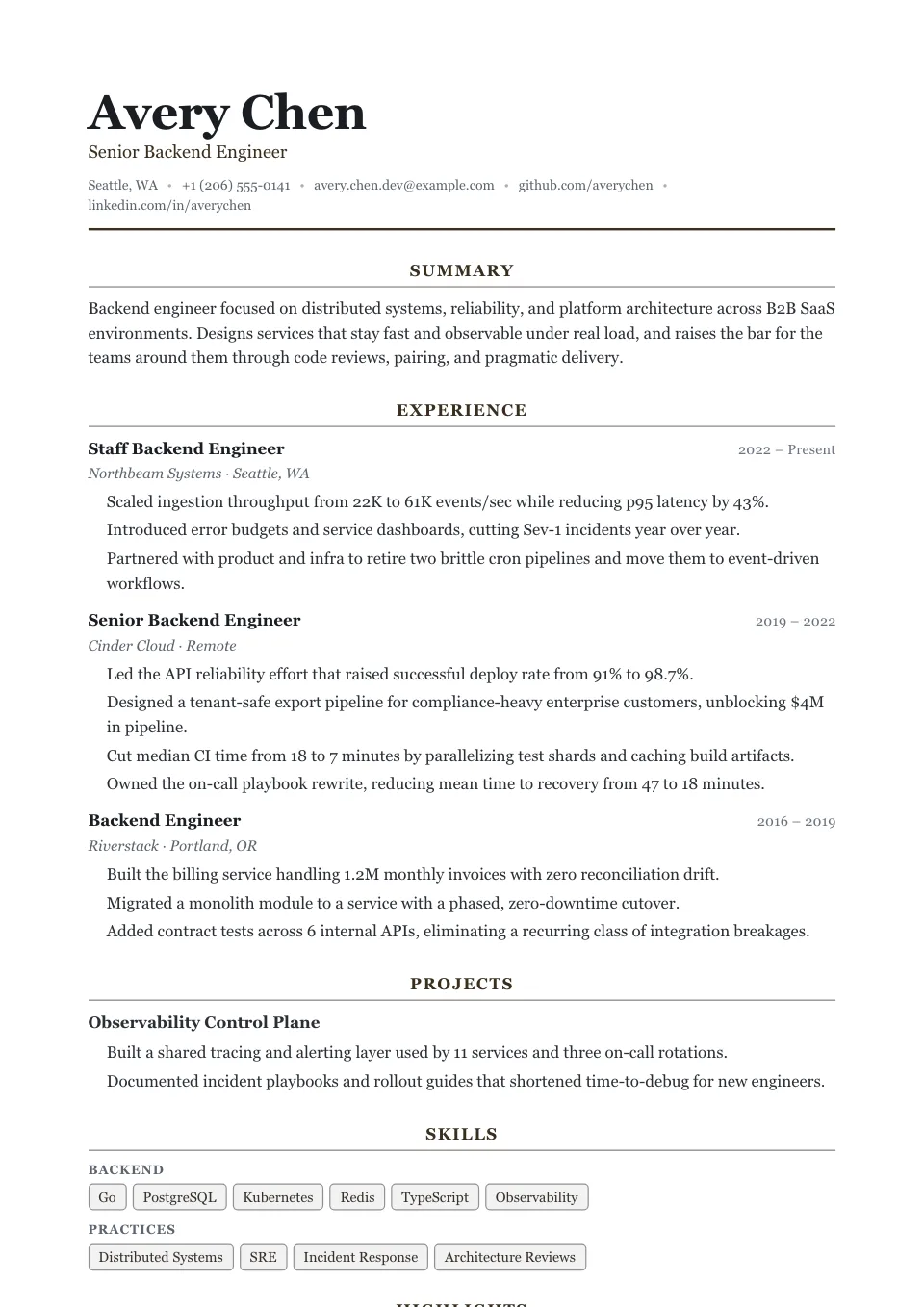
Scholar
An airy, oversized serif masthead over centered headings — built for long publication and teaching records.
Academic, research, and publication-heavy CVs
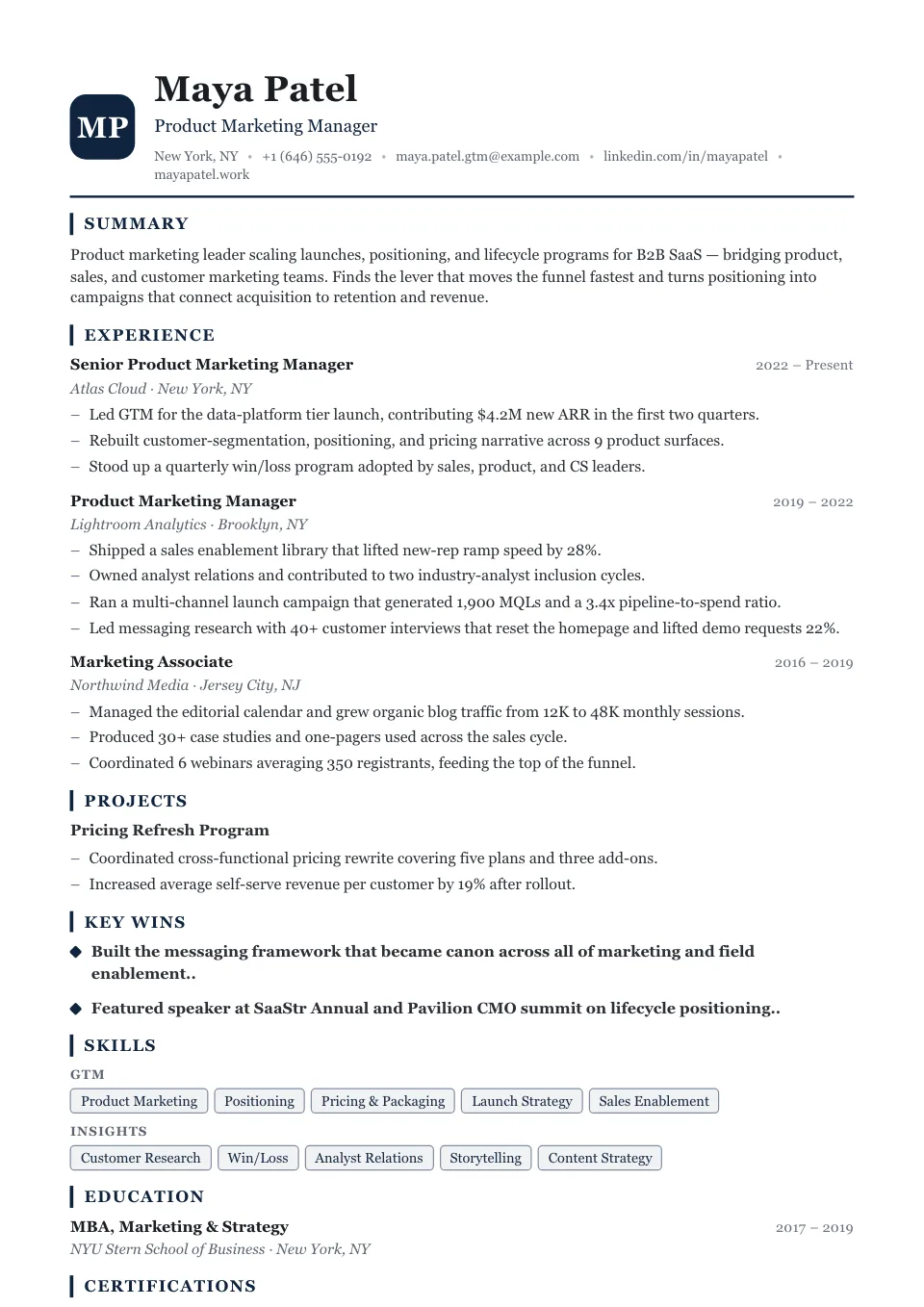
Boardroom
A monogram initials mark beside an authoritative serif column with accent-bar headings — for directors and senior executives.
Board members and senior executives
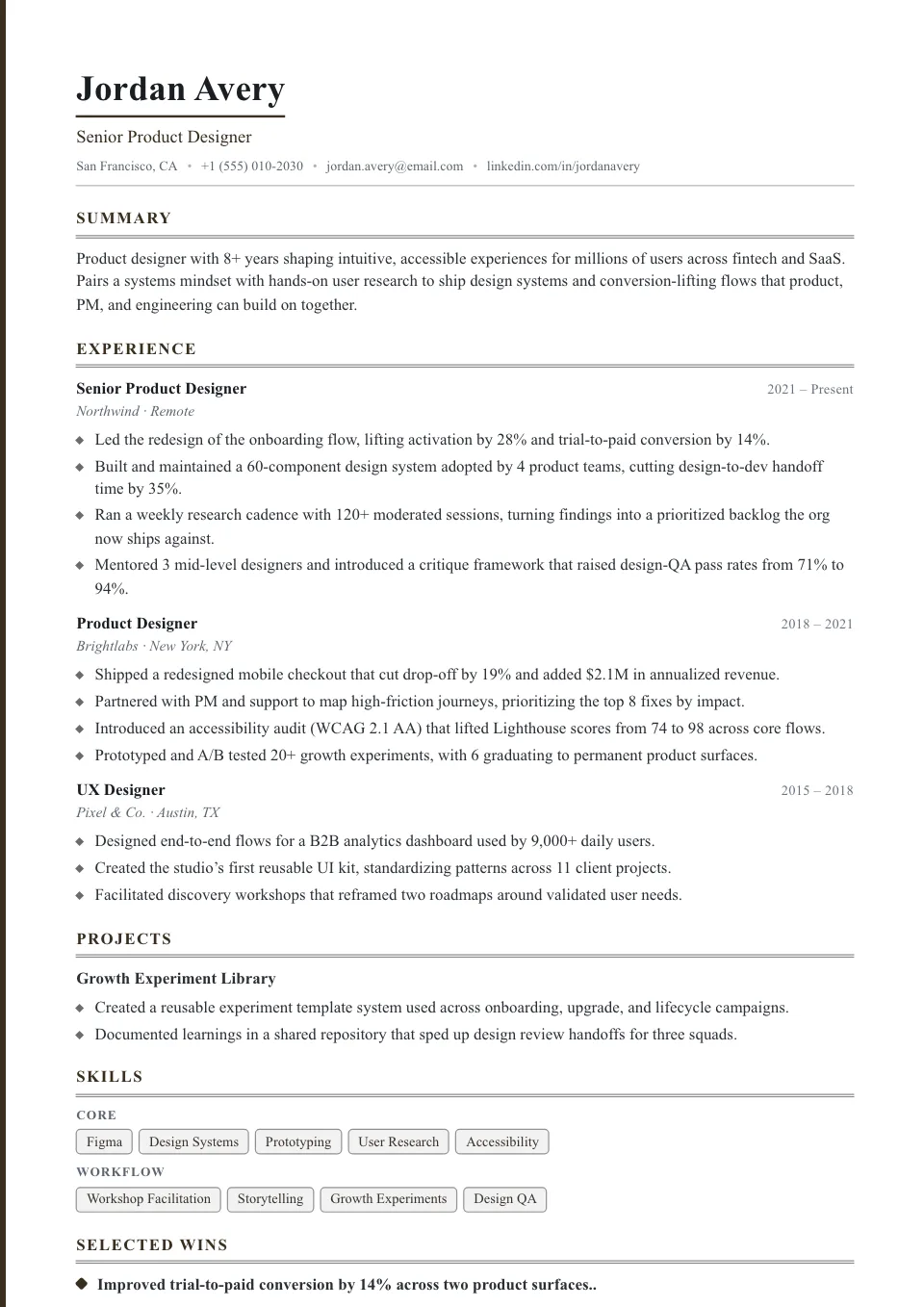
Heritage
A brown accent spine beside a timeless serif column with double-rule dividers and diamond markers — a heritage look for law, finance and traditional fields.
Finance, law, and traditional professional fields
Traditional Resume Templates
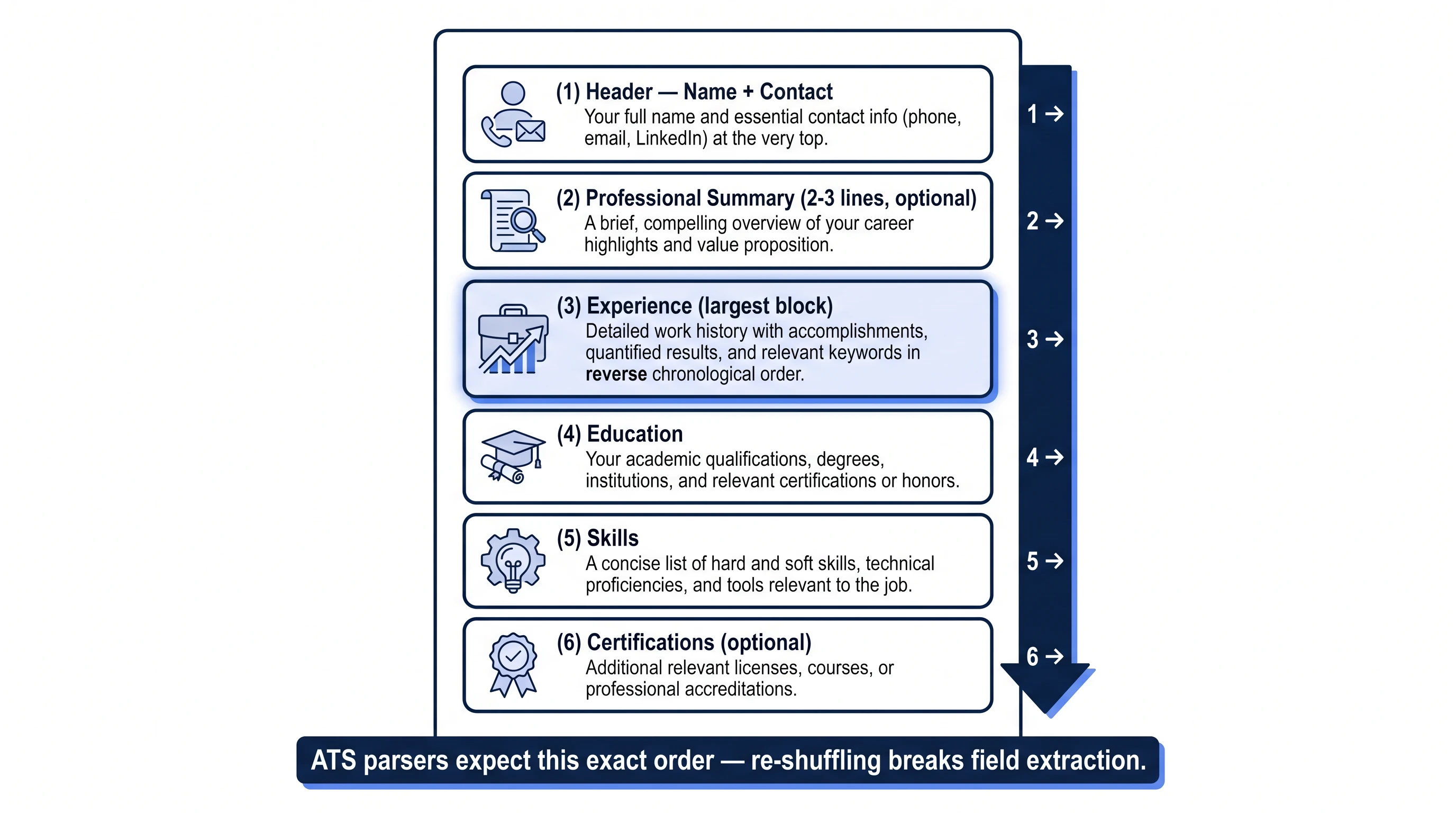
Traditional resume templates use conservative structure, restrained typography, and a familiar section order — the format hiring teams in finance, law, government, and corporate roles expect to see. Nothing about the design distracts from your experience, which is exactly the point in these fields.
Because they are single-column and text-first, traditional templates are among the most reliable for Applicant Tracking Systems. You still get full control over font, spacing, and margins, so 'classic' never has to mean 'dated'.
Why use a traditional resume template?
A traditional resume template uses the conservative, expected structure that hiring teams in finance, law, and corporate roles trust. The familiar section order and restrained typography keep the focus on your experience, and a clean single column is among the most reliable formats for ATS parsing.
Who should use a traditional resume template?
Choose a traditional layout for fields where convention signals professionalism:
- Finance, accounting, and banking
- Law, government, and the public sector
- Healthcare administration and academia
- Large, established companies in any industry
How to customize your traditional resume template
Traditional does not have to mean dated. In the Design & Font panel, pair a refined serif like Georgia or Times New Roman with a single muted accent on your section headings, then tune margins and spacing to fit one or two pages cleanly. Every font stays ATS-friendly.
Tips for a standout traditional resume
Polish within the rules:
- Keep formatting consistent — the same date and heading style throughout
- Use standard section names (Experience, Education, Skills)
- Avoid graphics, columns, and tables that can confuse parsers
- Mirror keywords from the job description naturally
Explore other template styles
Not quite the right fit? Browse the rest of the collection by structure and personality.
Clean, current layouts built for tech, product, and marketing roles — stand out while staying clear, structured, and ATS-friendly.
Distinctive layouts with real personality for design, marketing, and brand roles — eye-catching without sacrificing clarity.
Minimal, easy-to-read single-column layouts that work across almost any industry and put your skills and experience first.
Generous whitespace and quiet typography, so your experience speaks for itself in a clean, distraction-free layout.
Polished layouts with a headshot for people-facing roles where a stronger personal first impression helps.
Balanced sidebar layouts that fit more on a single page — ideal for skills-rich resumes and human-reviewed applications.
Clean, single-column structures that Applicant Tracking Systems parse reliably — every template here is labelled ATS-friendly.
Chronology-first layouts that make your progression and promotions obvious at a glance — built for experienced professionals.
Resume guides to read next
Short, practical reads on passing the ATS and getting your formatting right before you apply.
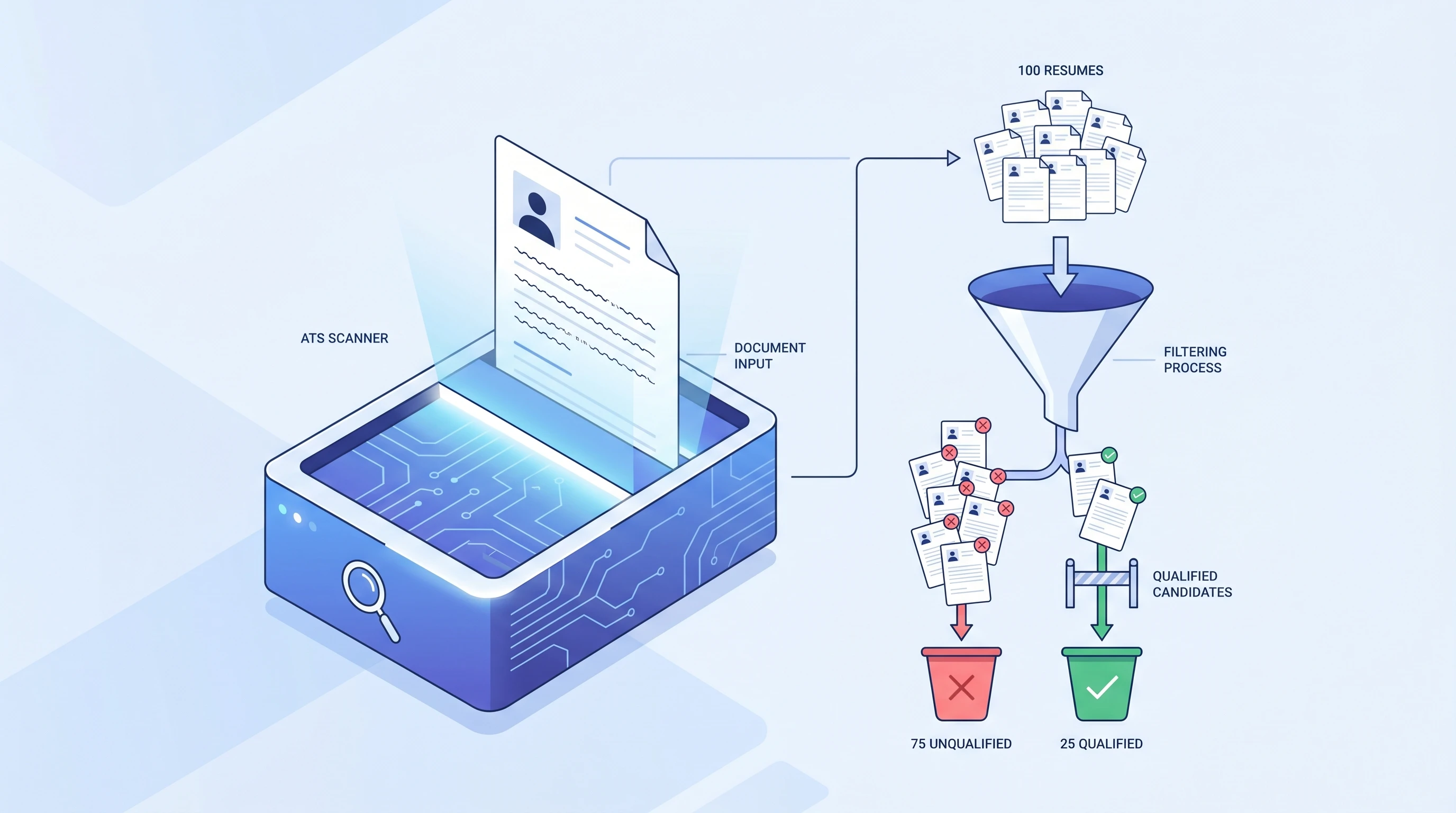
What is an ATS? Applicant Tracking System Explained (2026)
An ATS (Applicant Tracking System) is software companies use to filter resumes before a human ever sees them. Learn how it works and how to beat it.
 Alex Carter·
How to Make an ATS-Friendly Resume: 2026 Step-by-Step Guide
Make your resume ATS-friendly in 6 steps: format, keywords, fonts, file type, section headers, and scan-before-you-send. A 15-minute proven workflow.
Alex Carter·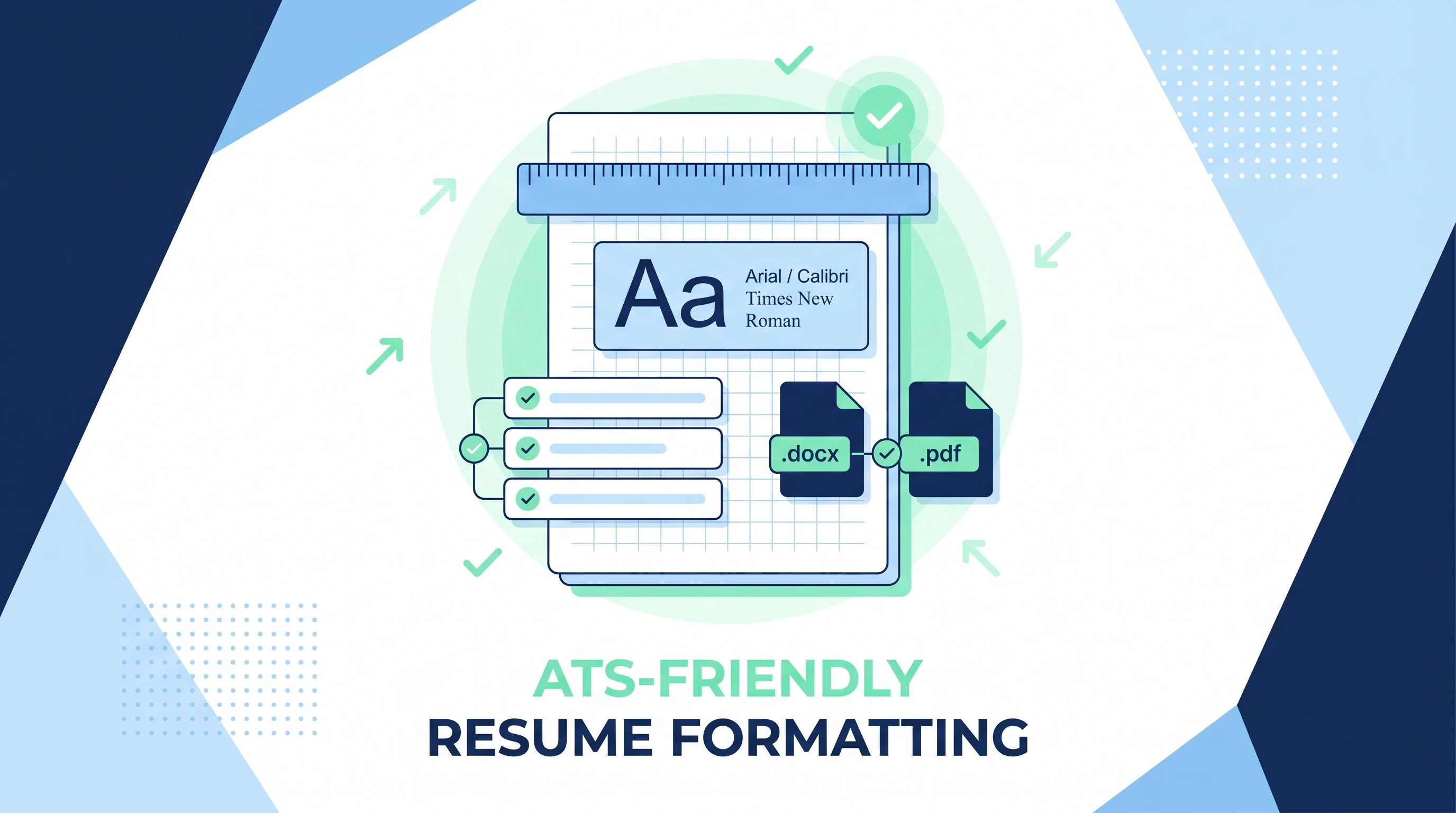
ATS-Friendly Resume Format: Fonts, Spacing & Files (2026)
ATS-friendly resume format spec: fonts (Arial/Calibri/Times), 11-12pt body, 1.15 line height, 1-inch margins, .docx first PDF second, single column.
Alex Carter·Common questions about traditional resume templates
01When should I choose a traditional resume template?
Choose one for finance, law, accounting, government, healthcare administration, and most large-company roles, where a conventional, polished document signals professionalism and lowers risk.
02Are traditional templates the safest for ATS?
They are among the safest — a clean single-column structure parses reliably across every major tracking system. If maximum parseability is your priority, also see the ATS-friendly collection.
03Can I add personality to a traditional resume template?
Yes. A single muted accent color on section headings and a refined serif font add quiet polish, while a traditional resume template keeps the conservative, recruiter-friendly tone intact.
04Serif or sans-serif for a traditional resume?
A serif like Georgia or Times New Roman reinforces the conventional tone these fields expect, but a clean sans-serif is equally ATS-friendly. Match the norm of your industry.
05Should a traditional resume be one page?
Aim for one page early in your career and up to two for senior roles. Traditional layouts use space efficiently — tighten margins and spacing in the Design & Font panel to fit.
06How is traditional different from minimalist?
Traditional emphasizes a conventional, expected structure; the minimalist collection emphasizes whitespace and restraint. Both are conservative — traditional reads more formal, minimalist more contemporary.